Coptic Orthodox Christian/Egyptian Burial Options in NJ

Coptic and Egyptian Burial Rituals in New Jersey

Founded in Egypt during the first century, the Coptic Christian Church prides itself on tradition, and its members have deep-rooted seeds of belief in their ways. Their funeral services are no exception, andMemorial Propertiesunderstands that. Our mission is to pay respect – not only to the deceased and their traditions but to the wishes of their family members and loved ones as well. To do so, we at Memorial Properties have dedicated ourselves to learning the ways of several differentfunerary traditions, Coptic Orthodox and Egyptian funerals included. Out of respect to the religion, we offer a variety of burial packages and programs in New Jersey for those who wish to honor their traditions or incorporate different aspects of their religion into their funeral and burial services.

We give those in NJ access to several different burial services, includingin-ground burial,above-ground burial, andcremation. We have burial spaces available both individually and side-by-side so that everyone’s needs and wishes can be satisfied after death. We also offer pre-planning services for those of all religious and cultural backgrounds so arrangements can be made ahead of time and costs and stress can be saved in the future. We have been addressing the major trends in the NJ/NY death care industry since 1985, and we want to provide your family with the compassionate and thorough burial services you deserve during this difficult time.
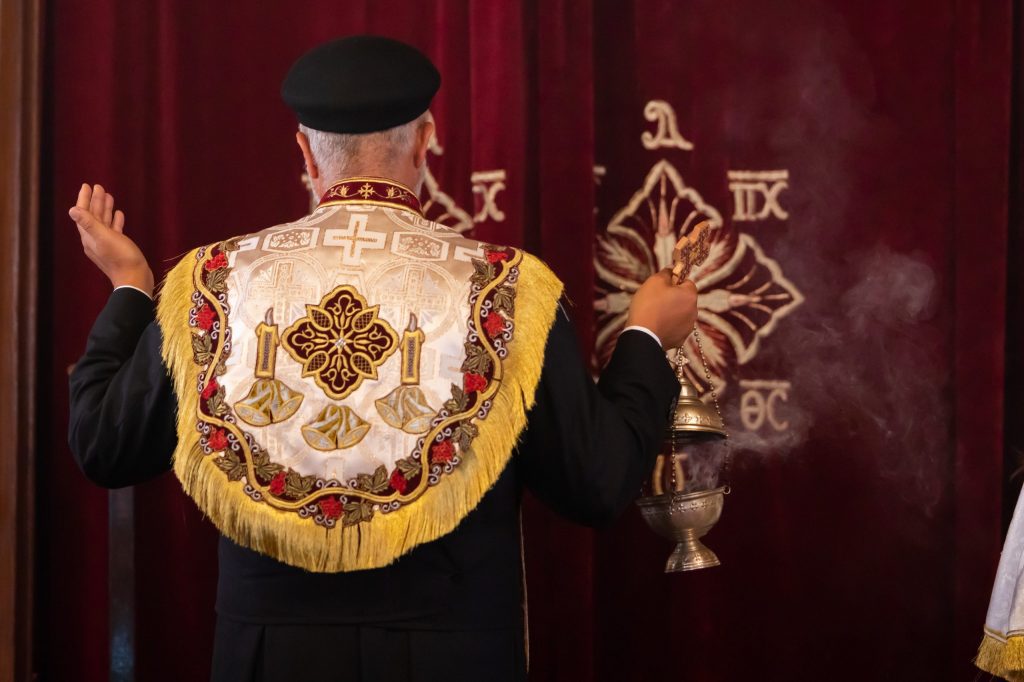
Coptic Orthodox Christian Priest
top level of a large mausoleum
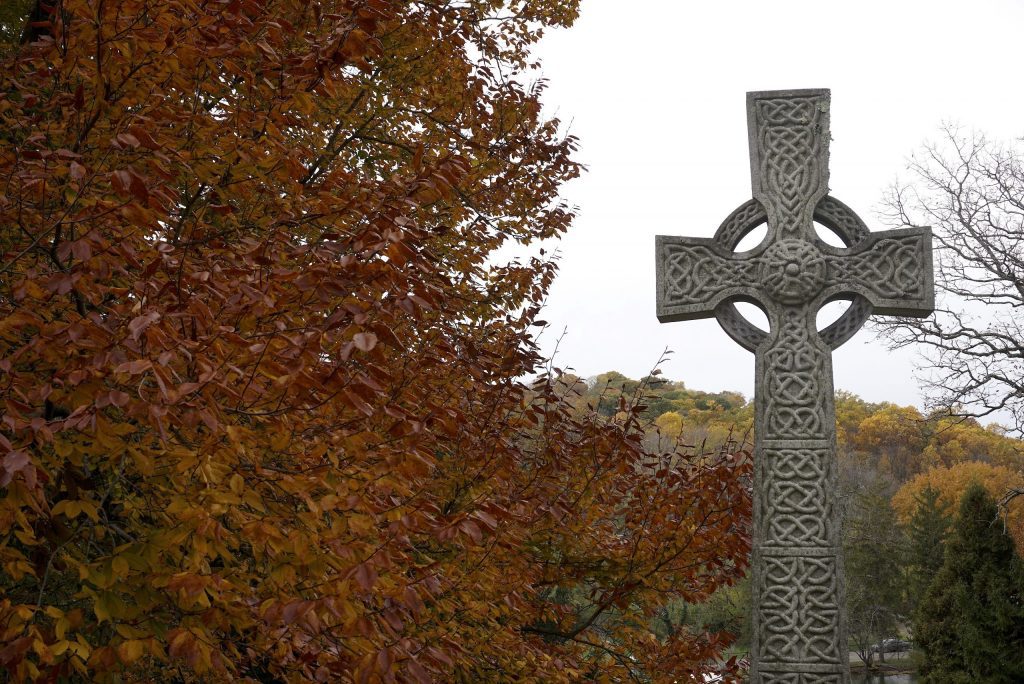
Coptic cross tombstone in cemetery

Coptic Funeral Traditions in New Jersey

The funeral arrangements of the Coptic Orthodox Church and Egyptians are submerged in ritual. As an individual approaches death, the loved one’s family and close friends vigilantly stand by the person during their final days on earth. Usually, a priest will be on standby to allocate the loved one’s last wishes. The Coptic/Egyptian culture formerly carried out an expedient burial. This means that if a loved one passed away in the morning hours, their burial would be held in the afternoon on the same day. If that was unfeasible, the deceased loved one would stay home overnight and the funeral would be held the following day. However, these instructions have been relaxed so that Egyptian funerals today can be held on the day the family prefers.

Regarding the body of the deceased loved one, the figure is to be carefully but thoroughly washed, then perfumed. In these instances, embalming is also permitted. For burial, the loved one’s apparel depends on the individual. If the person who passed away was a woman, she would be clothed in white linen or a shroud, whereas men are buried in everyday apparel or a formal outfit. However, for the most devoutChristianperson, the particular clothing the individual wore on a holy pilgrimage was most likely saved and therefore will be used. Once efficiently clothed and cleaned, the loved one’s body is gently placed in a casket with a pair of beautiful candles.

When a beloved individual has passed, close family and friends are expected to present the news to neighbors and the media. Formerly, in rural villages, a coalition of six females dressed in all black would travel through each neighborhood and cry the name of the deceased member. The family of the deceased loved one would also travel to the church to pay proper respects. Many Coptic Christians have fasted prior to burying a loved one.

During the funeral session, mourners must wear black and women must cover their heads, per tradition. Wailing is also accepted as an important element of the funeral. Prior to entering the room where the loved one’s casket is resting, mourners will shriek a saying called “suwat,” an emotional outcry meant to honor the departed. Nevertheless, once in the presence of the departed loved one, talking and greeting among mourners as well as holding cigarettes and coffee is looked down upon.

Contact Us for More Information about Coptic/Egyptian Funerals in NJ

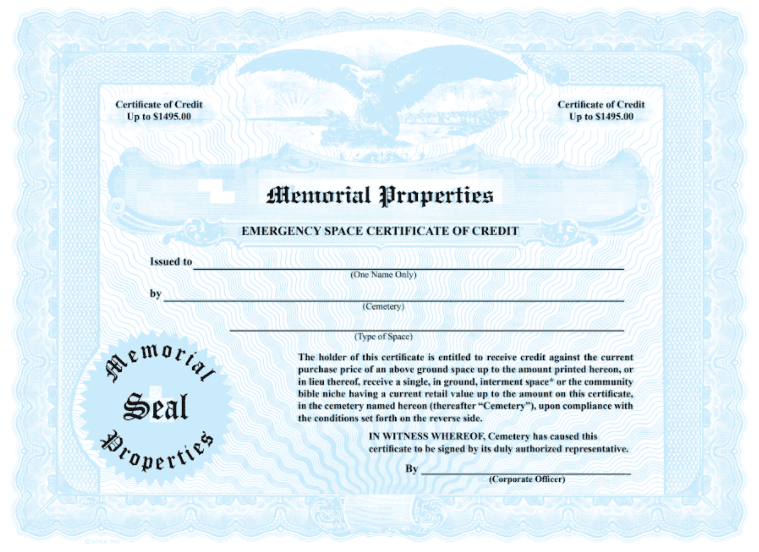
Memorial Properties pre-planning certificate of credit

Coptic/Egyptian Burial Pre-Planning in New Jersey at Memorial Properties

At Memorial Properties, we proudly honor Coptic Orthodox and Egyptian traditions during funeral and burial planning and the ceremonies themselves. We will gladly have a conversation with your family about what you are interested in and how we can ensure that your needs and wishes during this time are met. We also encourage those of all religious and cultural backgrounds topre-plan their arrangementsahead of time. We believe that today’s wisdom is tomorrow’s peace of mind – pre-planning your arrangements ensures that you can express your wishes for your future burial and that your family will not be left to make these very personal decisions after you have passed away. Funeral costs rise every year, so pre-planning also takes the financial burden off of your family. When you pre-plan with Memorial Properties, you will receive a certificate of credit up to $1495 to put towards an above-ground space, in-ground interment space, or community bible niche at one of our cemeteries or mausoleums in NJ. Those looking to incorporate Coptic Orthodox or Egyptian traditions into their burial can trust that pre-planning with Memorial Properties will ensure that the future burial includes all of your wishes and preferences.

Group Programs for Coptic Orthodox Churches in NJ

Along with working with Coptic and Egyptian families during the burial planning process, we are also proud to work with churches to set upgroup programsfor their members. Group sales of graves, niches, and mausoleums provide a Coptic Orthodox Church and its congregation with many benefits, including:

  • Lowered cost for burial space
  • Peace of mind that arrangements will be taken care of
  • Cemeteries that meet all religious requirements
  • Members of the community can stay together even after death
  • The clergy can focus on supporting members through the grieving process
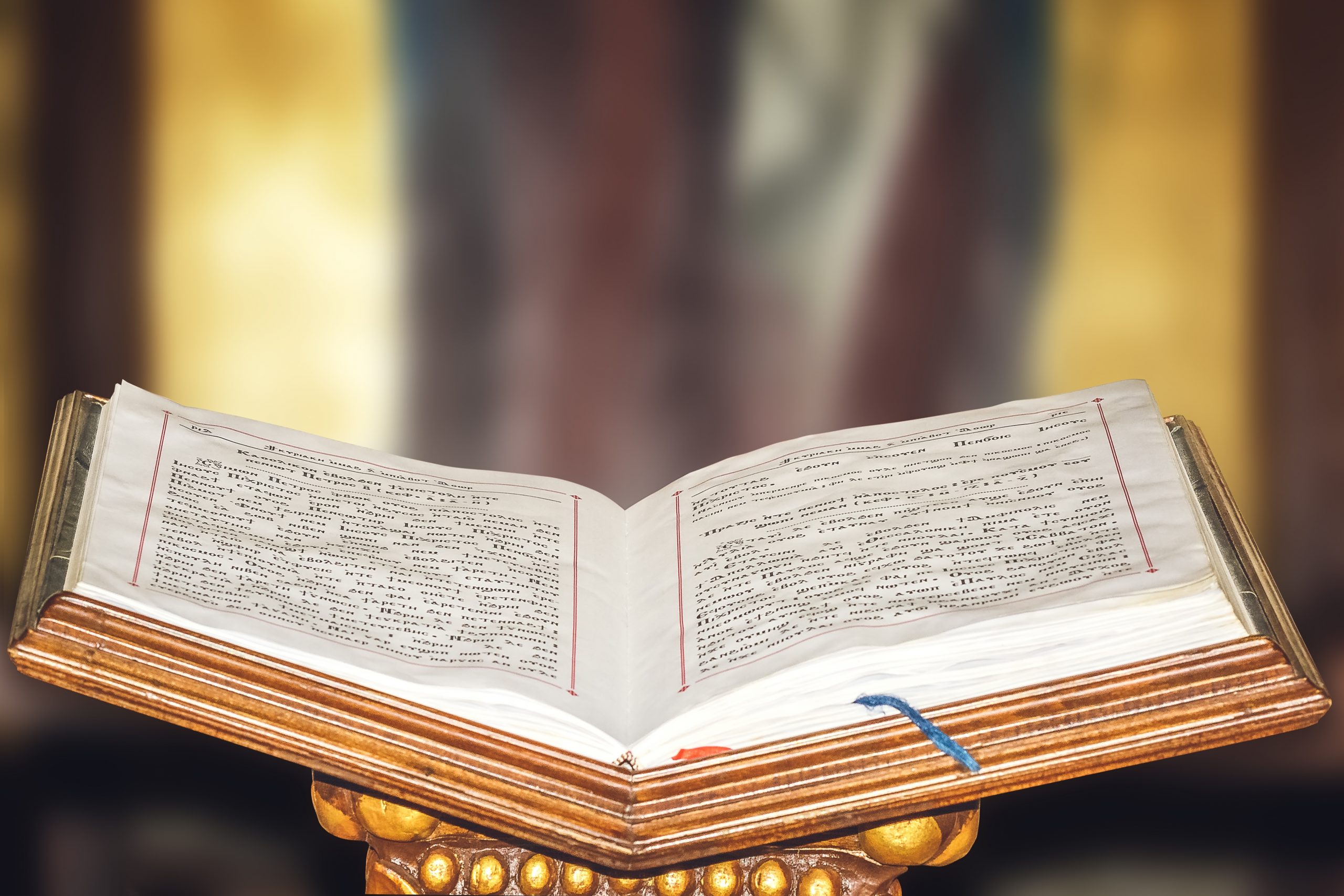
Holy Bible in Coptic language in the Coptic Church

Frequently Asked Questions about Coptic/Egyptian Funerals and Burials

What is the origin of Coptic Christianity?

Coptic Christianity originated in Egypt during the 1st century AD, when St. Mark the Evangelist founded the church in Alexandria. This makes it one of the oldest Christian communities. The faith developed from early Christian teachings amid Egypt’s rich cultural and theological environment, with Alexandria becoming a major center of learning through institutions like the Catechetical School. A key schism occurred at the Council of Chalcedon in 451 AD, where Coptic believers rejected the council’s Christological definitions, leading to the formation of the Coptic Orthodox Church. Coptic Christianity is distinct from other Christian denominations and preserves ancient Egyptian influences through liturgy and language.

How do present-day Egyptian funeral traditions compare to Ancient Egyptian practices?

Modern Egyptian funerals, particularly among Coptic Christians, emphasize swift burial, prayer services, and family mourning, contrasting sharply with ancient practices focused on elaborate mummification, tomb preparation, and afterlife provisions. Ancient rituals involved a 70-day embalming process, organ removal into canopic jars, and the “Opening of the Mouth” ceremony to restore bodily functions for the afterlife. Today, Coptic Christians wash and shroud the body, hold church services without fixed burial timelines, and follow three days of priestly visits and 40 days of mourning, prioritizing scriptural burial over preservation while retaining communal respect for the dead.

What happens during a traditional Egyptian funeral?

A traditional Coptic Egyptian funeral begins with family members washing and shrouding the body, followed by transport to the church for prayers and a funeral service with specific readings based on the deceased’s status – layperson, clergy, or child. The priest leads the liturgy, and for clergy, deacons procession the body around the altar and church nave three times; the service concludes with final commendation before burial. Post-burial, priests visit the family home on the third day for prayers, with mourning extending up to 40 days. Memorial Properties supports these rites with compassionate burial options in New Jersey.

Can a funeral mass be held with cremated remains?

The Coptic Orthodox Church strongly opposes cremation, viewing it as contrary to Christian tradition and scripture. Genesis 3:19 emphasizes the return to earth through burial, which honors the body as a temple and potential relic. Burial demonstrates respect, mirroring biblical examples like Joseph of Arimathea’s care for Jesus’ body, and allows for saintly incorruption. Funeral masses require intact remains; cremated ashes cannot be used, and scattering or home retention is prohibited. 

What should I wear to a Coptic/Egyptian funeral?

Attendees at Coptic or Egyptian funerals should wear conservative, modest dark clothing such as black suits, dresses, or pantsuits to reflect solemnity and respect for the faith’s traditions. Women opt for long skirts or dresses covering the shoulders and knees, while men wear ties and jackets. Avoid bright colors, jeans, or other casual attire. Clergy wear distinctive white vestments like the tonia during services, but guests follow general mourning customs without head coverings unless culturally preferred.

Cemeteries and Mausoleums in New Jersey

At Memorial Properties, we are proud to offer individuals and families of all cultural and religious backgrounds access to our ten beautifulcemeteries and mausoleums in New Jersey. Our locations can accommodate in-ground burial, above-ground burial, and cremation while offering programs unique to your family’s background and priorities. Our locations are kept in pristine condition 365 days a year and give families a peaceful and serene place to reflect on the lives of those they have lost. Our locations in NJ include:

Coptic and Egyptian Burial Services in New Jersey at Memorial Properties

When it comes to religious and cultural traditions, we recognize how important it is for everything to operate perfectly during a funeral and burial service. Memorial Properties is dedicated to coordinating funeral proceedings with the church or religious institution of your choice while ensuring that all wishes are honored. In doing so, we will do everything in our power to make sure that your family and loved ones are well accommodated and comfortable and approve of every part of the service and final resting place. We specialize in creating custom funerary packages to suit any needs or requests you may have. If you are part of the Coptic Christian faith and are looking to plan a burial in NJ that honors your religious values, Memorial Properties is here to help guide you along the way. To learn more about our Coptic Christian and Egyptian funeral services in NJ, pleasecontact Memorial Propertiesby calling 732-820-0211 today.

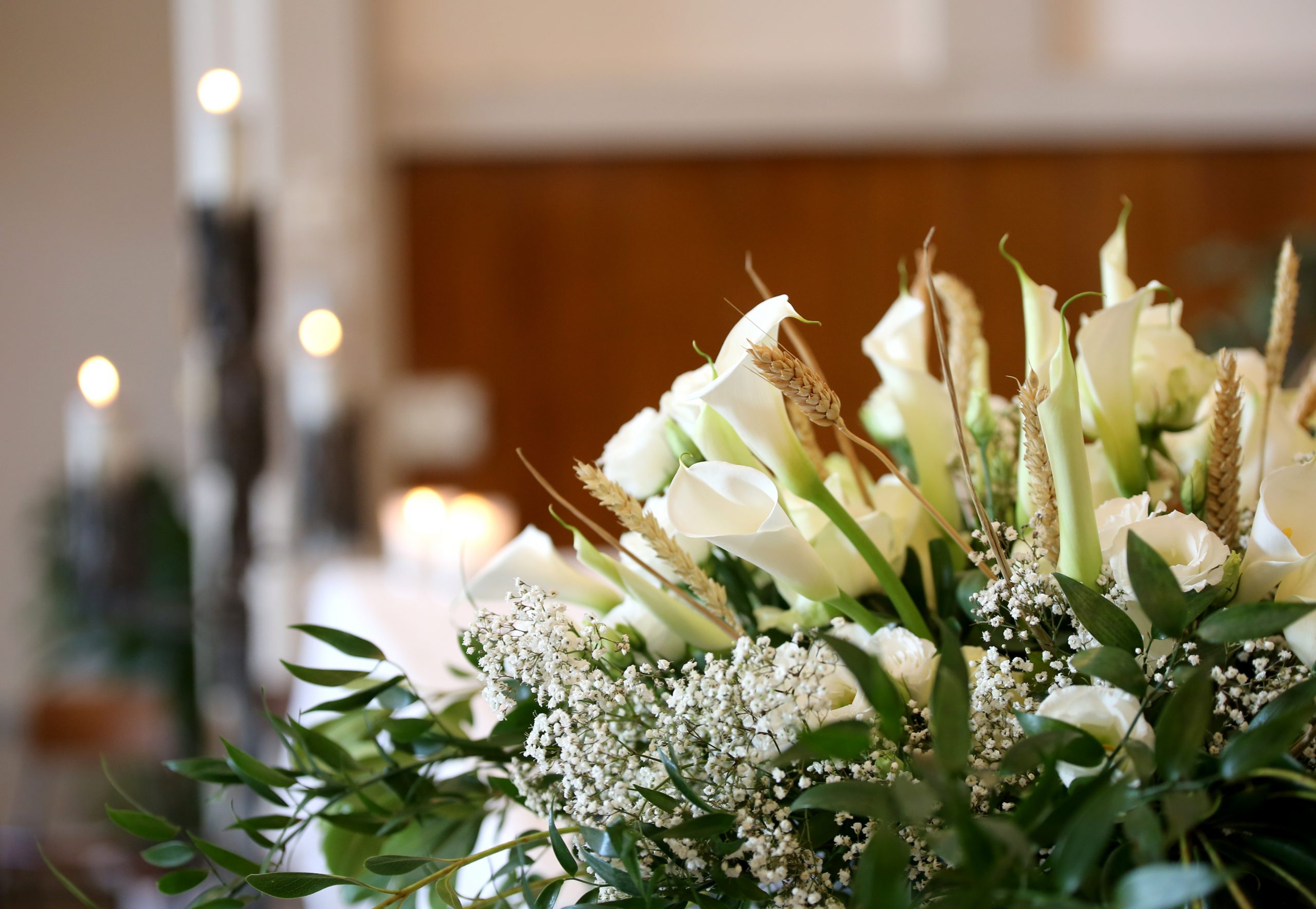
white flowers at funeral

Request More Information